For people who sweat through earbuds
Earbuds that stay in and survive sweat.
Open-ear, bone conduction and workout earbuds ranked by the two things that decide whether you keep wearing them: the fit system that holds them in and the IP rating that survives a soaked hour. Picks you can trust because the method is published: fit type, sweat rating and the trade-offs are spelled out on every roundup.
By Mike M., Iron Mako Media · Updated September 2026

Holiday deals
Black Friday is Friday, November 27, 2026. Cyber Monday is Monday, November 30, 2026.
Our picks grouped by budget, with Amazon's live price and live discount against each one — and a plain “check today's price” wherever we cannot read a real figure. No invented percentages, no countdown to a sale nobody has announced.
- earbuds researched and compared on one rubric
- 39earbuds researched and compared on one rubric
- of them leave your ear canal open
- 34of them leave your ear canal open
- ranked roundups across 137 pages
- 64ranked roundups across 137 pages
- maker specs read and linked to the source
- 378maker specs read and linked to the source
Every price comes live from Amazon with the date it was read, so the number you see is the number you pay today. How we rank
Start with the problem
Which one is yours?
Workout & Gym
“They fall out”
Ranked by retention system: hook, clip, wing, neckband.
Earbuds That Don't Fall OutWorkout & Gym
“Sweat kills them”
IP55 and up, with the ratings explained in plain terms.
Best Sweatproof EarbudsRunning & Cycling
“I can't hear traffic”
What an open ear does and doesn't let through.
Can You Hear Traffic With Open-Ear Headphones?
Category winners
The #1 pick in every ranking, with a buy button
Best Open-Ear Earbuds
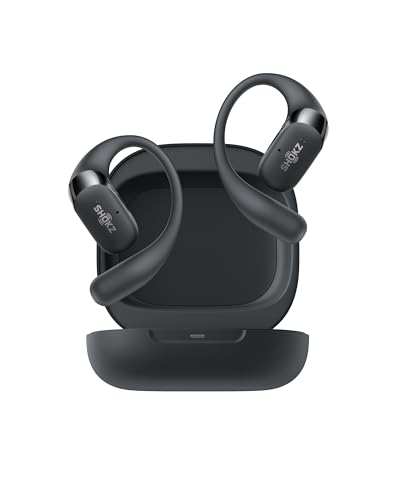
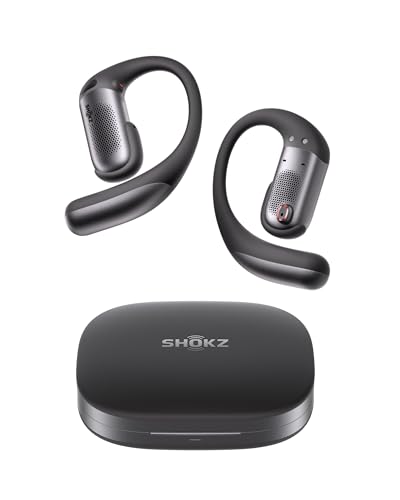
Shokz OpenFit 2
Open-ear hook9.4 /10Check price at ShokzShokz list price $179.95 as of November 13, 2026
Also on Amazon — $179.95#ad · Disclosure for the link to Shokz OpenFit 2
Best Clip-On Earbuds
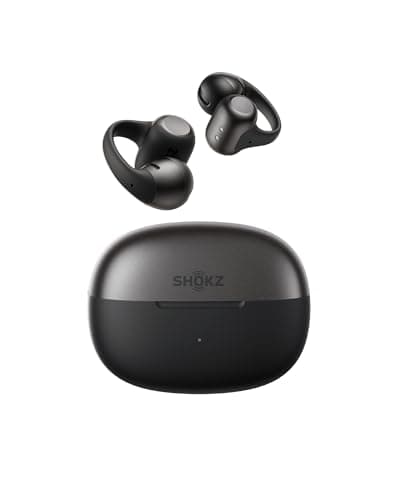
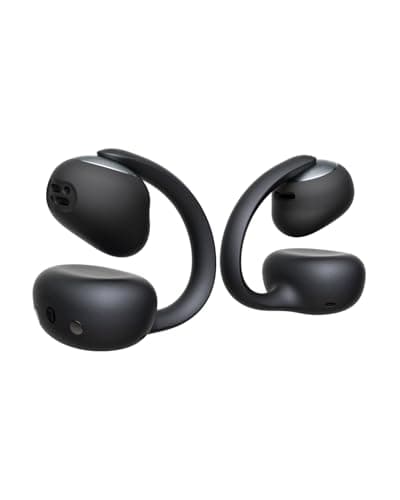
Shokz OpenDots 2
Open-ear clip-on9.6 /10From Best Clip-On Earbuds
Check price at ShokzShokz list price $199.95 as of November 13, 2026
Also on Amazon — $139.95#ad · Disclosure for the link to Shokz OpenDots 2
Best Open-Ear for Calls
Shokz OpenFit Pro
Open-ear hook9.6 /10From Best Open-Ear for Phone Calls
Check price at ShokzShokz list price $249.95 as of November 13, 2026
Also on Amazon — $174.95#ad · Disclosure for the link to Shokz OpenFit Pro
Best Open-Ear Under $100
Baseus Bowie MC2
Open-ear clip-on9.6 /10$45.99Bowie MC2#ad · Price as of November 22, 2026 · Disclosure for the link to Baseus Bowie MC2
Best Open-Ear Under $150
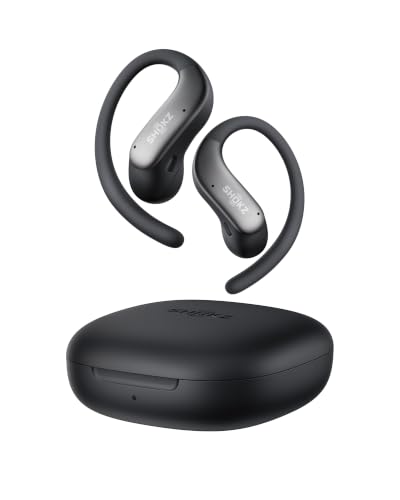
Shokz OpenFit Air 2
Open-ear hook9.5 /10Check price at ShokzShokz list price $129.95 as of November 13, 2026
Also on Amazon — $89.95#ad · Disclosure for the link to Shokz OpenFit Air 2
Best for Small Ears
Shokz OpenDots 2
Open-ear clip-on9.6 /10From Best Open-Ear for Small Ears
Check price at ShokzShokz list price $199.95 as of November 13, 2026
Also on Amazon — $139.95#ad · Disclosure for the link to Shokz OpenDots 2
Most Comfortable Open-Ear
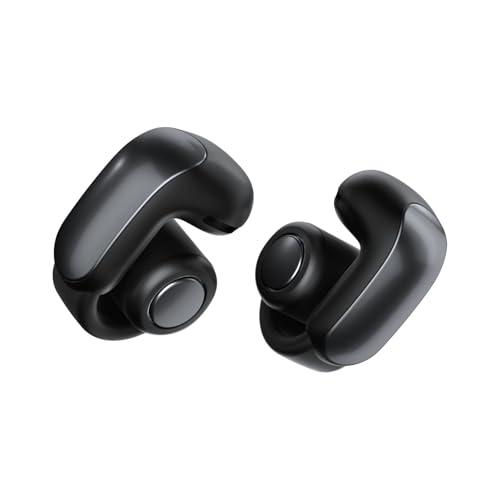
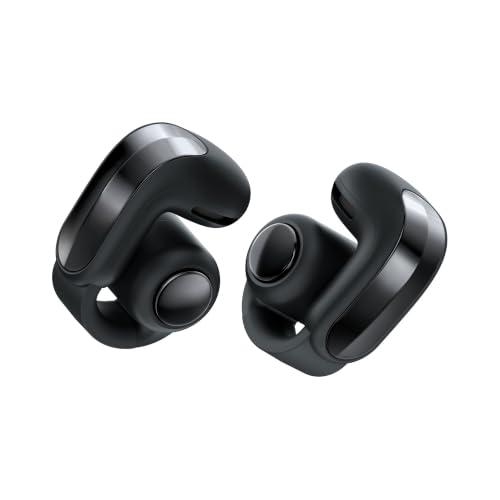
Bose Ultra Open Earbuds
Open-ear clip-on8.7 /10From Most Comfortable Open-Ear
$165.99Ultra Open Earbuds#ad · Price as of November 22, 2026 · Disclosure for the link to Bose Ultra Open Earbuds
Best OpenFit 2 Alternative
Shokz OpenFit Air 2
Open-ear hook9.5 /10Check price at ShokzShokz list price $129.95 as of November 13, 2026
Also on Amazon — $89.95#ad · Disclosure for the link to Shokz OpenFit Air 2
Best Open-Ear with Noise Canceling
Shokz OpenFit Pro
Open-ear hook9.6 /10From Best Open-Ear with Noise Canceling
Check price at ShokzShokz list price $249.95 as of November 13, 2026
Also on Amazon — $174.95#ad · Disclosure for the link to Shokz OpenFit Pro
Best Open-Ear for iPhone
Shokz OpenFit 2
Open-ear hook9.4 /10Check price at ShokzShokz list price $179.95 as of November 13, 2026
Also on Amazon — $179.95#ad · Disclosure for the link to Shokz OpenFit 2
Best Open-Ear for Work
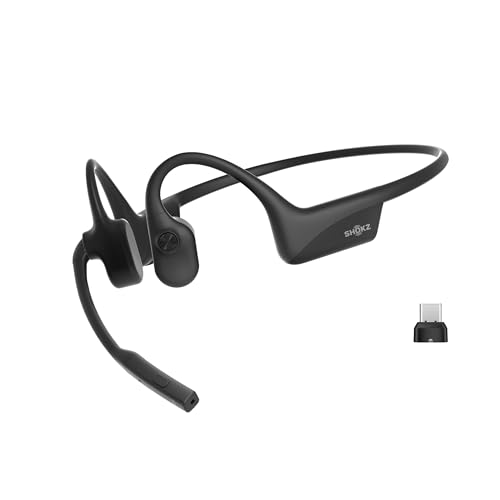
Shokz OpenComm2 UC
Bone conduction (neckband)9.2 /10Check price at ShokzShokz list price $199.95 as of November 13, 2026
Also on Amazon — $169.95#ad · Disclosure for the link to Shokz OpenComm2 UC
Best Open-Ear Under $50
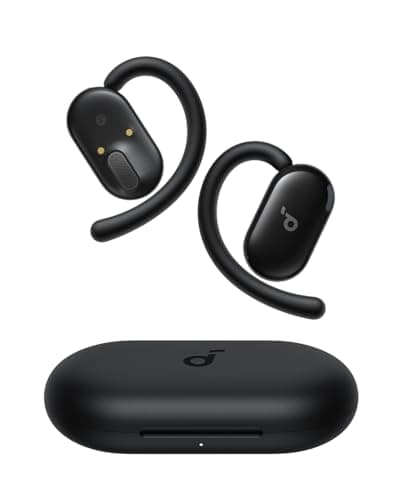
Soundcore V20i
Open-ear hook9.0 /10$24.99V20i#ad · Price as of November 22, 2026 · Disclosure for the link to Soundcore V20i
Best Open-Ear for Android
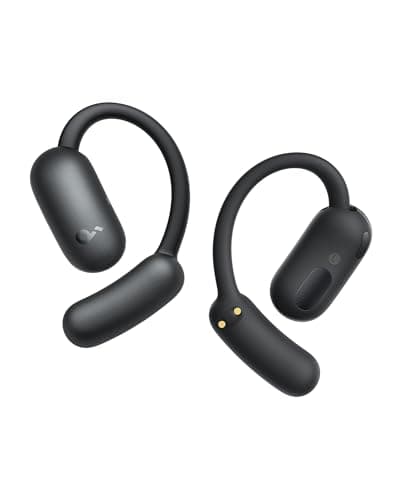
Soundcore AeroFit 2
Open-ear hook9.5 /10From Best Open-Ear for Android
$69.99AeroFit 2#ad · Price as of November 22, 2026 · Disclosure for the link to Soundcore AeroFit 2
Best Without Rubber Tips
Shokz OpenFit 2
Open-ear hook9.4 /10From Best Earbuds Without Rubber Tips
Check price at ShokzShokz list price $179.95 as of November 13, 2026
Also on Amazon — $179.95#ad · Disclosure for the link to Shokz OpenFit 2
Best Bose Ultra Open Alternative
Shokz OpenDots 2
Open-ear clip-on9.6 /10From Bose Ultra Open Alternatives
Check price at ShokzShokz list price $199.95 as of November 13, 2026
Also on Amazon — $139.95#ad · Disclosure for the link to Shokz OpenDots 2
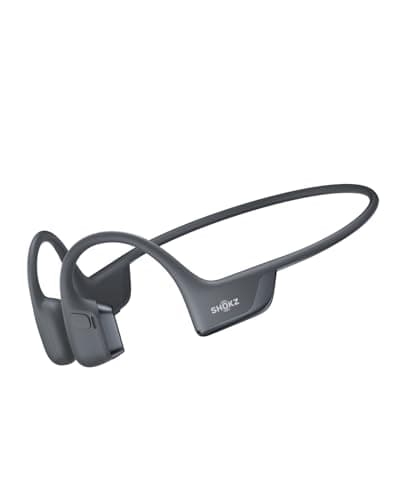
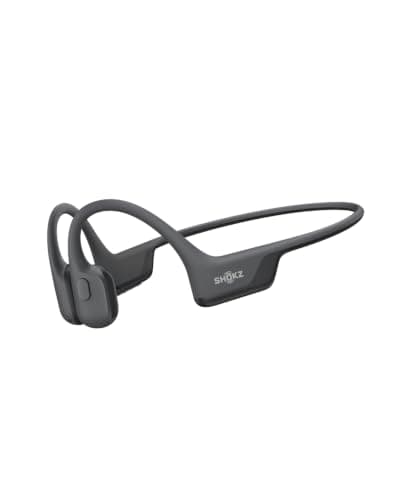
Best Bone Conduction
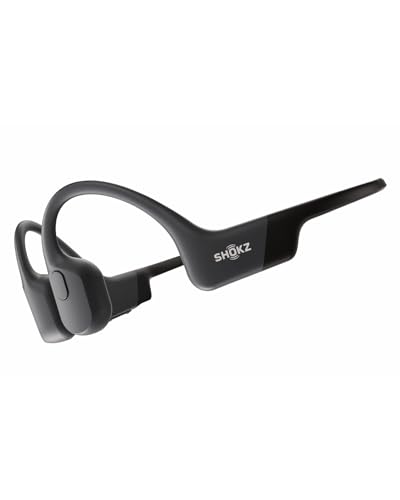
Shokz OpenRun Pro 2
Bone conduction (neckband)9.5 /10From Best Bone Conduction Headphones
Check price at ShokzShokz list price $179.95 as of November 13, 2026
Also on Amazon — $124.95#ad · Disclosure for the link to Shokz OpenRun Pro 2
Best Bone Conduction Under $150
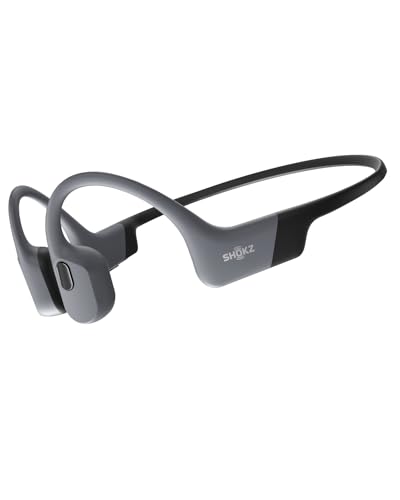
Shokz OpenRun Air 2
Bone conduction (neckband)9.7 /10From Best Bone Conduction Under $150
Check price at ShokzShokz list price $129.95 as of November 13, 2026
Also on Amazon — $99.95#ad · Disclosure for the link to Shokz OpenRun Air 2
Best Bone Conduction Under $100
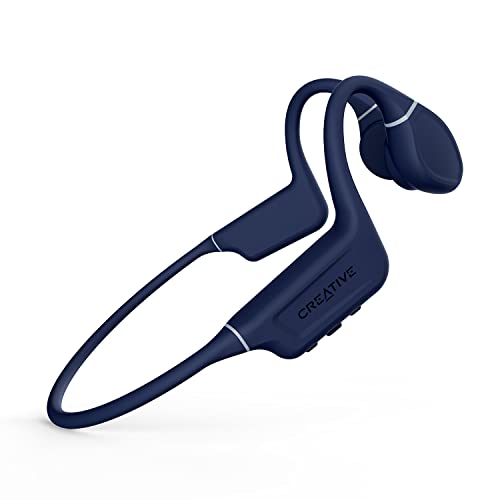
Creative Outlier Free Pro
Bone conduction (neckband)9.4 /10From Best Bone Conduction Under $100
$59.99Outlier Free Pro#ad · Price as of November 22, 2026 · Disclosure for the link to Creative Outlier Free Pro
Best Bone Conduction Under $50
Creative Outlier Free Pro
Bone conduction (neckband)9.4 /10From Best Bone Conduction Under $50
$59.99Outlier Free Pro#ad · Price as of November 22, 2026 · Disclosure for the link to Creative Outlier Free Pro
Best Bone Conduction for Workouts
Shokz OpenRun Air 2
Bone conduction (neckband)9.7 /10From Best Bone Conduction for Workouts
Check price at ShokzShokz list price $129.95 as of November 13, 2026
Also on Amazon — $99.95#ad · Disclosure for the link to Shokz OpenRun Air 2
Best Bone Conduction for Gaming
Creative Outlier Free Pro
Bone conduction (neckband)9.4 /10From Best Bone Conduction for Gaming
$59.99Outlier Free Pro#ad · Price as of November 22, 2026 · Disclosure for the link to Creative Outlier Free Pro
Best for Swimming
Shokz OpenSwim Pro
Bone conduction (neckband)9.5 /10From Best Bone Conduction for Swimming
Check price at ShokzShokz list price $229.95 as of November 13, 2026
Also on Amazon — $179.95#ad · Disclosure for the link to Shokz OpenSwim Pro
Best Bone Conduction for Calls
Shokz OpenComm2 UC
Bone conduction (neckband)9.2 /10From Best Bone Conduction With a Mic
Check price at ShokzShokz list price $199.95 as of November 13, 2026
Also on Amazon — $169.95#ad · Disclosure for the link to Shokz OpenComm2 UC
Best Shokz Overall
Shokz OpenRun Pro 2
Bone conduction (neckband)9.5 /10Check price at ShokzShokz list price $179.95 as of November 13, 2026
Also on Amazon — $124.95#ad · Disclosure for the link to Shokz OpenRun Pro 2
Best OpenRun Pro 2 Alternative
Shokz OpenRun Air 2
Bone conduction (neckband)9.7 /10From OpenRun Pro 2 Alternatives
Check price at ShokzShokz list price $129.95 as of November 13, 2026
Also on Amazon — $99.95#ad · Disclosure for the link to Shokz OpenRun Air 2
Best for Big Heads
Shokz OpenRun Pro 2
Bone conduction (neckband)9.5 /10From Bone Conduction for Big Heads
Check price at ShokzShokz list price $179.95 as of November 13, 2026
Also on Amazon — $124.95#ad · Disclosure for the link to Shokz OpenRun Pro 2
Best for Hearing Loss
Shokz OpenRun Pro 2
Bone conduction (neckband)9.5 /10From Bone Conduction for Hearing Loss
Check price at ShokzShokz list price $179.95 as of November 13, 2026
Also on Amazon — $124.95#ad · Disclosure for the link to Shokz OpenRun Pro 2
Best Under a Helmet
Shokz OpenRun Air 2
Bone conduction (neckband)9.7 /10From Bone Conduction Under a Helmet
Check price at ShokzShokz list price $129.95 as of November 13, 2026
Also on Amazon — $99.95#ad · Disclosure for the link to Shokz OpenRun Air 2
Best for Swimming with Audiobooks
Shokz OpenSwim Pro
Bone conduction (neckband)9.5 /10From Swimming Headphones for Audiobooks
Check price at ShokzShokz list price $229.95 as of November 13, 2026
Also on Amazon — $179.95#ad · Disclosure for the link to Shokz OpenSwim Pro
Best Workout Earbuds
Shokz OpenFit 2
Open-ear hook9.4 /10From Best Workout Earbuds
Check price at ShokzShokz list price $179.95 as of November 13, 2026
Also on Amazon — $179.95#ad · Disclosure for the link to Shokz OpenFit 2
Best Stay-In Earbuds
Shokz OpenRun Pro 2
Bone conduction (neckband)9.5 /10From Earbuds That Don't Fall Out
Check price at ShokzShokz list price $179.95 as of November 13, 2026
Also on Amazon — $124.95#ad · Disclosure for the link to Shokz OpenRun Pro 2
Best Sweatproof Earbuds
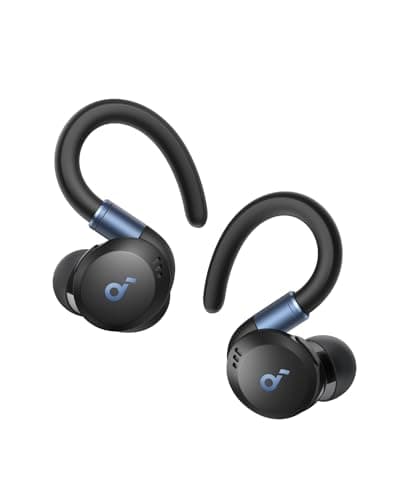
Soundcore Sport X20
In-ear + ear hook9.8 /10$59.99Sport X20#ad · Price as of November 22, 2026 · Disclosure for the link to Soundcore Sport X20
Best for Sweaty Ears
Shokz OpenRun Air 2
Bone conduction (neckband)9.7 /10From Best Earbuds for Sweaty Ears
Check price at ShokzShokz list price $129.95 as of November 13, 2026
Also on Amazon — $99.95#ad · Disclosure for the link to Shokz OpenRun Air 2
Best for Gym and Running
Shokz OpenFit 2
Open-ear hook9.4 /10From Best Earbuds for Gym and Running
Check price at ShokzShokz list price $179.95 as of November 13, 2026
Also on Amazon — $179.95#ad · Disclosure for the link to Shokz OpenFit 2
Best for Lifting
Beats Powerbeats Pro 2
In-ear + ear hook9.2 /10$179.95Powerbeats Pro 2#ad · Price as of November 22, 2026 · Disclosure for the link to Beats Powerbeats Pro 2
Best for CrossFit
Shokz OpenRun Air 2
Bone conduction (neckband)9.7 /10From Best Earbuds for CrossFit
Check price at ShokzShokz list price $129.95 as of November 13, 2026
Also on Amazon — $99.95#ad · Disclosure for the link to Shokz OpenRun Air 2
Best for Boxing
Shokz OpenRun Air 2
Bone conduction (neckband)9.7 /10Check price at ShokzShokz list price $129.95 as of November 13, 2026
Also on Amazon — $99.95#ad · Disclosure for the link to Shokz OpenRun Air 2
Best Ear-Hook Earbuds
Shokz OpenFit 2
Open-ear hook9.4 /10From Best Ear-Hook Earbuds for the Gym
Check price at ShokzShokz list price $179.95 as of November 13, 2026
Also on Amazon — $179.95#ad · Disclosure for the link to Shokz OpenFit 2
Best Workout Earbuds Under $150
Soundcore Sport X20
In-ear + ear hook9.8 /10From Best Workout Earbuds Under $150
$59.99Sport X20#ad · Price as of November 22, 2026 · Disclosure for the link to Soundcore Sport X20
Best Workout Earbuds Under $100
Soundcore Sport X20
In-ear + ear hook9.8 /10From Best Workout Earbuds Under $100
$59.99Sport X20#ad · Price as of November 22, 2026 · Disclosure for the link to Soundcore Sport X20
Best Workout Earbuds Under $50
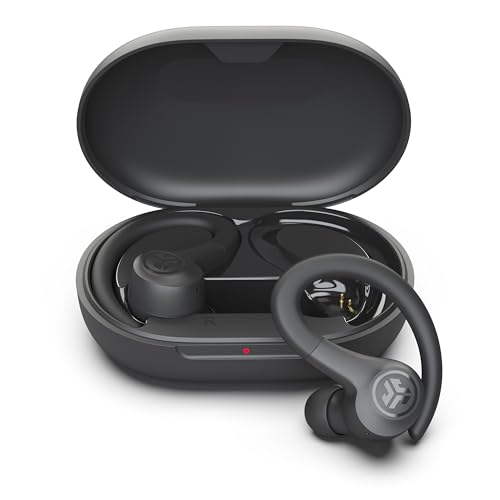
JLab GO Sport+
In-ear + ear hook8.8 /10From Best Workout Earbuds Under $50
$17.00GO Sport+#ad · Price as of November 22, 2026 · Disclosure for the link to JLab GO Sport+
Best for Small Ears (Workout)
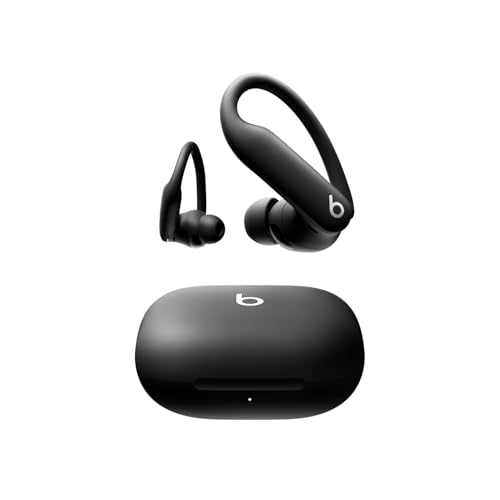
Beats Powerbeats Fit
In-ear + wingtip8.7 /10From Best Workout Earbuds for Small Ears
$169.95Powerbeats Fit#ad · Price as of November 22, 2026 · Disclosure for the link to Beats Powerbeats Fit
Best Workout Earbuds for Women
Shokz OpenDots 2
Open-ear clip-on9.6 /10From Best Workout Earbuds for Women
Check price at ShokzShokz list price $199.95 as of November 13, 2026
Also on Amazon — $139.95#ad · Disclosure for the link to Shokz OpenDots 2
Best Workout ANC
Soundcore Sport X20
In-ear + ear hook9.8 /10From Best Workout Earbuds With ANC
$59.99Sport X20#ad · Price as of November 22, 2026 · Disclosure for the link to Soundcore Sport X20
Best for the Treadmill
Soundcore Sport X20
In-ear + ear hook9.8 /10From Best Earbuds for Treadmill
$59.99Sport X20#ad · Price as of November 22, 2026 · Disclosure for the link to Soundcore Sport X20
Best for Rowing
Shokz OpenRun Air 2
Bone conduction (neckband)9.7 /10Check price at ShokzShokz list price $129.95 as of November 13, 2026
Also on Amazon — $99.95#ad · Disclosure for the link to Shokz OpenRun Air 2
Best for Android
Soundcore AeroFit 2
Open-ear hook9.5 /10From Best Workout Earbuds for Android
$69.99AeroFit 2#ad · Price as of November 22, 2026 · Disclosure for the link to Soundcore AeroFit 2
Best Workout Earbuds for iPhone
Beats Powerbeats Pro 2
In-ear + ear hook9.2 /10From Best Workout Earbuds for iPhone
$179.95Powerbeats Pro 2#ad · Price as of November 22, 2026 · Disclosure for the link to Beats Powerbeats Pro 2
Best Open-Ear for Running
Shokz OpenRun Pro 2
Bone conduction (neckband)9.5 /10From Best Open-Ear Headphones for Running
Check price at ShokzShokz list price $179.95 as of November 13, 2026
Also on Amazon — $124.95#ad · Disclosure for the link to Shokz OpenRun Pro 2
Best Running Earbuds
Shokz OpenRun Pro 2
Bone conduction (neckband)9.5 /10Check price at ShokzShokz list price $179.95 as of November 13, 2026
Also on Amazon — $124.95#ad · Disclosure for the link to Shokz OpenRun Pro 2
Best Bone Conduction for Running
Shokz OpenRun Pro 2
Bone conduction (neckband)9.5 /10From Best Bone Conduction for Running
Check price at ShokzShokz list price $179.95 as of November 13, 2026
Also on Amazon — $124.95#ad · Disclosure for the link to Shokz OpenRun Pro 2
Best for Trail Running
Shokz OpenRun Pro 2
Bone conduction (neckband)9.5 /10From Best Earbuds for Trail Running
Check price at ShokzShokz list price $179.95 as of November 13, 2026
Also on Amazon — $124.95#ad · Disclosure for the link to Shokz OpenRun Pro 2
Best for Cycling
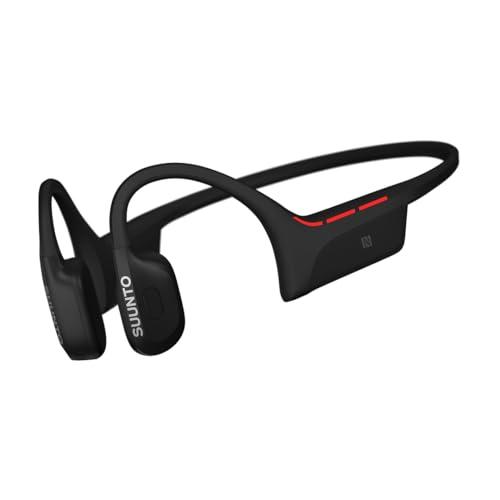
Suunto Wing 2
Bone conduction (neckband)9.4 /10From Best Bone Conduction for Cycling
Best Earbuds for Cycling
Shokz OpenDots 2
Open-ear clip-on9.6 /10Check price at ShokzShokz list price $199.95 as of November 13, 2026
Also on Amazon — $139.95#ad · Disclosure for the link to Shokz OpenDots 2
Best Clip-On for Cycling
Shokz OpenDots 2
Open-ear clip-on9.6 /10From Best Clip-On Earbuds for Cycling
Check price at ShokzShokz list price $199.95 as of November 13, 2026
Also on Amazon — $139.95#ad · Disclosure for the link to Shokz OpenDots 2
Best for Hiking
Suunto Wing 2
Bone conduction (neckband)9.4 /10Best for Walking
Shokz OpenDots 2
Open-ear clip-on9.6 /10Check price at ShokzShokz list price $199.95 as of November 13, 2026
Also on Amazon — $139.95#ad · Disclosure for the link to Shokz OpenDots 2
Best for Skiing & Snowboarding
Suunto Wing 2
Bone conduction (neckband)9.4 /10Best Running Earbuds Under $100
Baseus Bowie MC2
Open-ear clip-on9.6 /10From Best Running Earbuds Under $100
$45.99Bowie MC2#ad · Price as of November 22, 2026 · Disclosure for the link to Baseus Bowie MC2
Best for Marathon Running
Shokz OpenRun Pro 2
Bone conduction (neckband)9.5 /10From Best Headphones for Marathon Running
Check price at ShokzShokz list price $179.95 as of November 13, 2026
Also on Amazon — $124.95#ad · Disclosure for the link to Shokz OpenRun Pro 2
Best for Kids
Shokz OpenRun
Bone conduction (neckband)9.2 /10From Best Running Headphones for Kids
Check price at ShokzShokz list price $129.95 as of November 13, 2026
Also on Amazon — $89.95#ad · Disclosure for the link to Shokz OpenRun
Best Clip-On for Running
Shokz OpenDots 2
Open-ear clip-on9.6 /10From Best Clip-On Earbuds for Running
Check price at ShokzShokz list price $199.95 as of November 13, 2026
Also on Amazon — $139.95#ad · Disclosure for the link to Shokz OpenDots 2
Best Gift for Runners
Shokz OpenRun Pro 2
Bone conduction (neckband)9.5 /10Check price at ShokzShokz list price $179.95 as of November 13, 2026
Also on Amazon — $124.95#ad · Disclosure for the link to Shokz OpenRun Pro 2
Best Runner Gift Under $50
Soundcore V20i
Open-ear hook9.0 /10From Gifts for Runners Under $50
$24.99V20i#ad · Price as of November 22, 2026 · Disclosure for the link to Soundcore V20i
The five hubs
Pick the situation you're buying for
Ear-hooks and clip-ons
Open-Ear Earbuds
Best open-ear earbuds, clip-ons, picks for calls and small ears, Shokz vs Bose head-to-heads, and guides on sound leakage and glasses.
39 pages
Top pick: Shokz OpenFit 2 · from Best Open-Ear Earbuds
Check price at ShokzShokz list price $179.95 as of November 13, 2026
Also on Amazon — $179.95#ad · Disclosure for the link to Shokz OpenFit 2
Neckbands on the cheekbones
Bone Conduction
Best bone conduction headphones overall, under $100, for swimming and with a mic, Shokz OpenRun Pro 2 head-to-heads, and guides on safety and sound.
37 pages
Top pick: Shokz OpenRun Pro 2 · from Best Bone Conduction Headphones
Check price at ShokzShokz list price $179.95 as of November 13, 2026
Also on Amazon — $124.95#ad · Disclosure for the link to Shokz OpenRun Pro 2
The problem-solver lane
Workout & Gym
Best workout earbuds, earbuds that don't fall out, sweatproof picks, lifting and CrossFit, ear-hook and small-ear picks, under $100 and noise canceling.
26 pages
Top pick: Shokz OpenFit 2 · from Best Workout Earbuds
Check price at ShokzShokz list price $179.95 as of November 13, 2026
Also on Amazon — $179.95#ad · Disclosure for the link to Shokz OpenFit 2
Hear the traffic
Running & Cycling
Best open-ear and bone conduction picks for running and cycling, hiking, wind-noise fixes, safety guides and gifts for runners.
22 pages
Top pick: Shokz OpenRun Pro 2 · from Best Open-Ear Headphones for Running
Check price at ShokzShokz list price $179.95 as of November 13, 2026
Also on Amazon — $124.95#ad · Disclosure for the link to Shokz OpenRun Pro 2
The know-how behind the picks
Fit, Sweat & Safety Guides
IP ratings decoded, IPX4 vs IPX5 vs IPX7, showering with IPX7, keeping earbuds in, sweat damage, one-ear fixes and hearing safety.
13 pages
Why these rankings
What we check before a pair makes the list
Fit system is the first axis
A quarter of every score is fit security, judged by the retention system: neckband, hook, clip or wing. A great-sounding bud that relies on canal friction ranks below a plainer one that stays put, on purpose.
The IP rating is read, not assumed
Every water and sweat rating links to the maker's own page. Where a maker contradicts itself (one page says IPX7, its imagery says IP68), we print both and say so.
Independent findings, attributed
When a lab or reviewer publishes a measurement, we name them and quote the number: “SoundGuys measured 7 hours 10 minutes.” You get the figure and the source in one line.
Live prices, clear top picks
Every roundup names a #1 pick for a specific use case, with the reason it won and a price pulled live from Amazon, so you can decide and buy in the same visit. The rubric.
Read these first
The pages that carry the argument
Bone Conduction
Open-Ear vs Bone Conduction
Bone conduction: neckband, can't fall off, IP55 to IP68, thin bass. Open-ear air conduction: ear-hook or clip, lighter, fuller sound, IP54 to IP67. A 40-word definition, a comparison table, and two picks per side.
Fit, Sweat & Safety Guides
IPX4 vs IPX5 vs IPX7
IPX4 is splashing water, IPX5 is a nozzle jet, IPX7 is 30 minutes under a meter. A sweaty hour lands between 5 and 7. One table of what each rating survives (sweat, rain, rinse, shower, pool), the IEC 60529 test conditions, and a pick at each rung.
Open-Ear Earbuds
Shokz OpenFit 2 vs Bose Ultra Open
Shokz OpenFit 2 (ear-hook, IP55, 11 hours, button) vs Bose Ultra Open Earbuds (clip-on cuff, IPX4, 7 hours, button). The Shokz wins for sweat and battery; the Bose wins for glasses, weight and sound.
Fit, Sweat & Safety Guides
How to Keep Earbuds From Falling Out
Nine fixes for earbuds that fall out, in order: tip size, the twist-and-lock, seat depth, foam tips, wings, hooks, dry ears, cord and case habits, and the point at which you stop fixing and buy a hook, clip or neckband. Three picks for that point.
Latest
New and updated
Open-Ear Earbuds
Shokz OpenFit 2 alternatives: eight open-ear pairs that do its job, cheaper or differentlyUpdated November 2026
Bone Conduction
Best bone conduction headphones under $150: the band where the water rating stops being a compromiseUpdated November 2026
Workout & Gym
Best workout earbuds under $150: the bracket where every retention system is on the tableUpdated November 2026
Open-Ear Earbuds
Best open-ear headphones of 2026: ten pairs that stay in when you sweatUpdated November 2026
Running & Cycling
Best headphones for cycling: eight open-ear picks that clear a helmet strap and let the traffic throughUpdated November 2026
Running & Cycling
Best wireless headphones for hiking: seven open-ear picks for long days, weather and hearing the trailUpdated November 2026
Open-Ear Earbuds
Best open-ear earbuds under $150: the price where you stop paying for the badgeUpdated November 2026
Open-Ear Earbuds
Bose Ultra Open Earbuds alternatives: six cuffs and one hook, ranked by sweat rating and priceUpdated November 2026
Bone Conduction
Shokz OpenRun Pro 2 alternatives: six picks, ranked by what the Pro 2 doesn't doUpdated November 2026
Open-Ear Earbuds
The most comfortable open-ear headphones: ranked by grams, pressure points and hour threeUpdated November 2026
Open-Ear Earbuds
Shokz OpenFit Pro vs Bose Ultra Open Earbuds: the two premium open-ears, and they are not the same productUpdated November 2026
Bone Conduction
Shokz OpenRun Air 2 review: the one you can rinse under the tapUpdated November 2026
Open-Ear Earbuds
Shokz OpenDots 2 review: the first clip-on that is rated for sweat, not just splashesUpdated October 2026
Open-Ear Earbuds
Shokz OpenDots 2 vs Soundcore AeroClip: the rating or the priceUpdated October 2026
Running & Cycling
Best earbuds for skiing and snowboarding: what survives a helmet, a glove and the coldUpdated October 2026
The method, in one paragraph
Fit type, IP rating, then everything else
Every pair is classified by how it stays on (neckband, ear-hook, clip-on, in-ear hook or wingtip), then its maker's published IP rating, weight, battery, charging, mic and control type are recorded from the maker's own page and cross-checked against at least one independent review where one exists. Each gets a score on seven weighted metrics. Every pick names what it is best at and carries a “skip this if” line, so you can match a pair to your sport in a minute.
Questions
Frequently asked
What's the difference between open-ear and bone conduction headphones?
Why do my earbuds keep falling out when I work out?
Can sweat damage earbuds?
Are bone conduction headphones safe?
How do you choose the top pick in each category?
How this site is funded
Reader-supported, and plain about it
Openear Club earns affiliate commissions when you buy through some links. As an Amazon Associate, Openear Club earns from qualifying purchases, at no extra cost to you. Commissions never set a score or decide a pick, and no brand pays for placement. The site is published by Iron Mako Media.